Gamified Learning
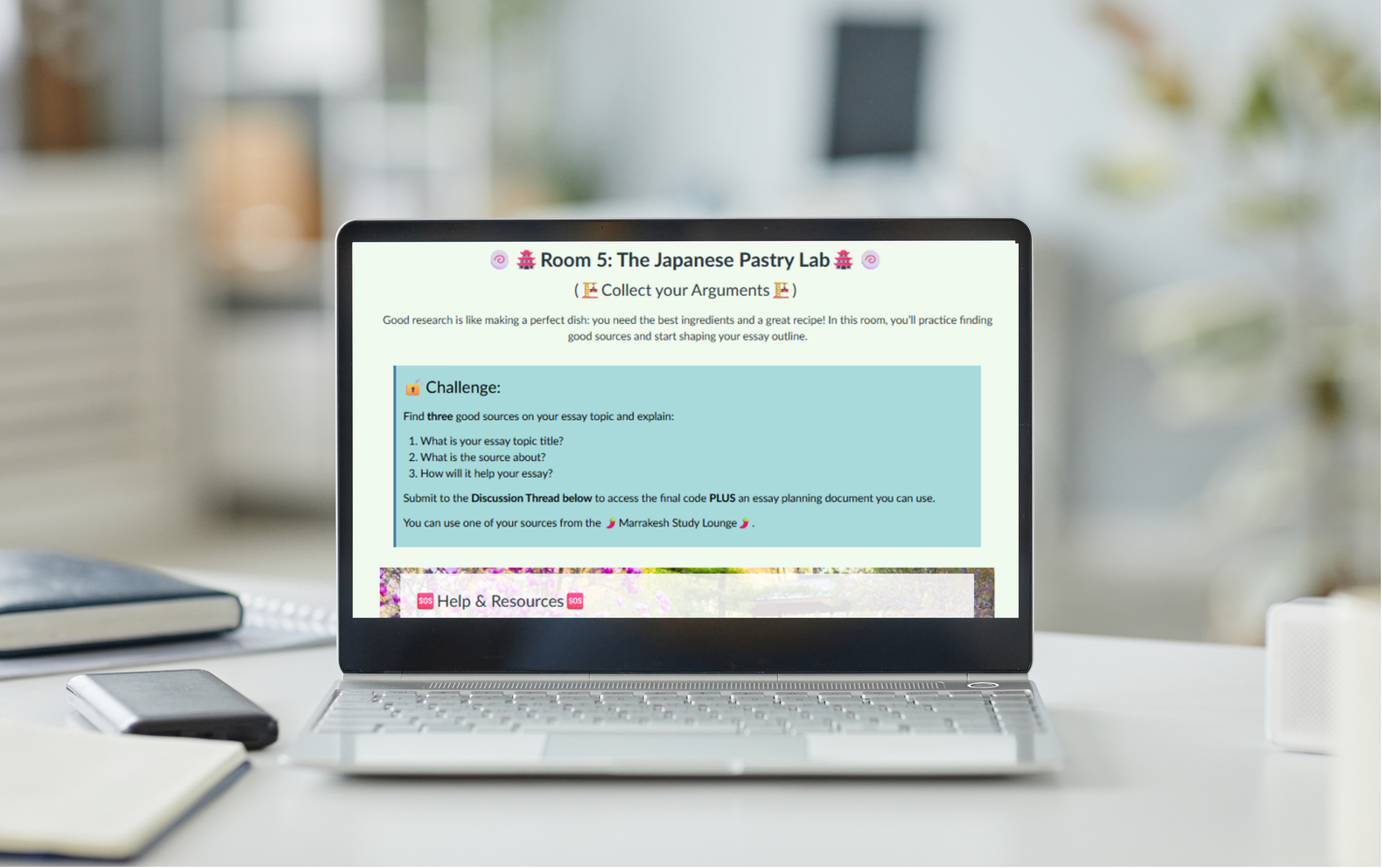
This case study explores the design of a gamified learning experience within Canvas to address low engagement, confidence and participation on a failing undergraduate top-up module.
The project combined asynchronous digital learning with in-person teaching, using game mechanics to encourage practice, collaboration and sustained engagement over time.
Audience
The module supported a cohort of predominantly international, part-time students, many of whom were returning to education later in life and lacked confidence in UK academic writing conventions.
Context
Learners were balancing study alongside other commitments, with low attendance and limited engagement in both class and the VLE.
Challenge
The Tourism and Hospitality Gastronomy top-up module (TLH334) was underperforming: quantitive data showed poor attendance and low participation in the LMS (Canvas). Qualitative data (through speaking to students) showed limited confidence around essay writing, academic structure, referencing and the use of journal articles.
Traditional content-led approaches were clearly not supporting the behaviours required for success, such as regular practice, peer discussion and early drafting. Coupled with this, almost all students were either working part-time, had familiar responsibilities or had English as an additional language (EAL).
Design Opportunity
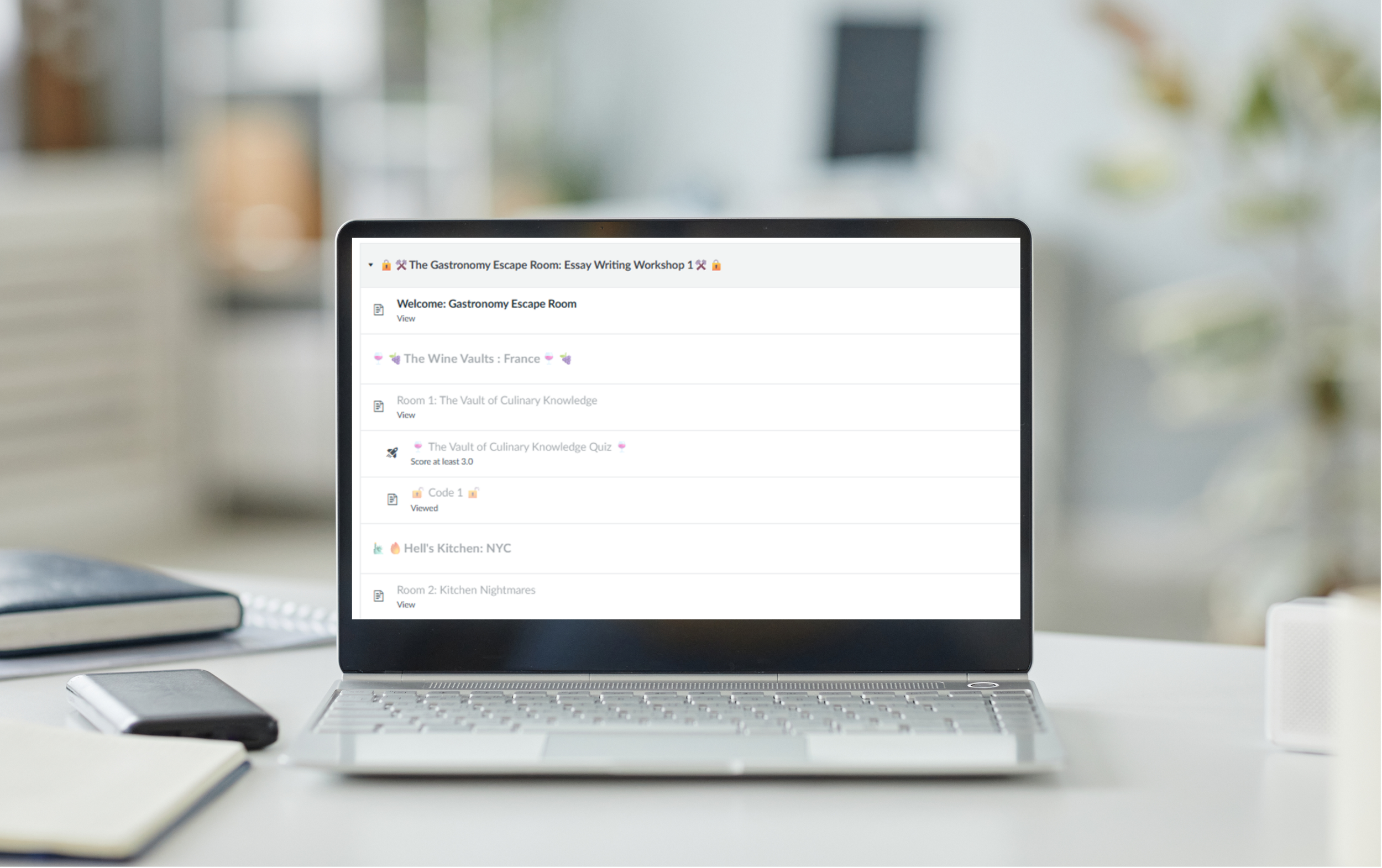
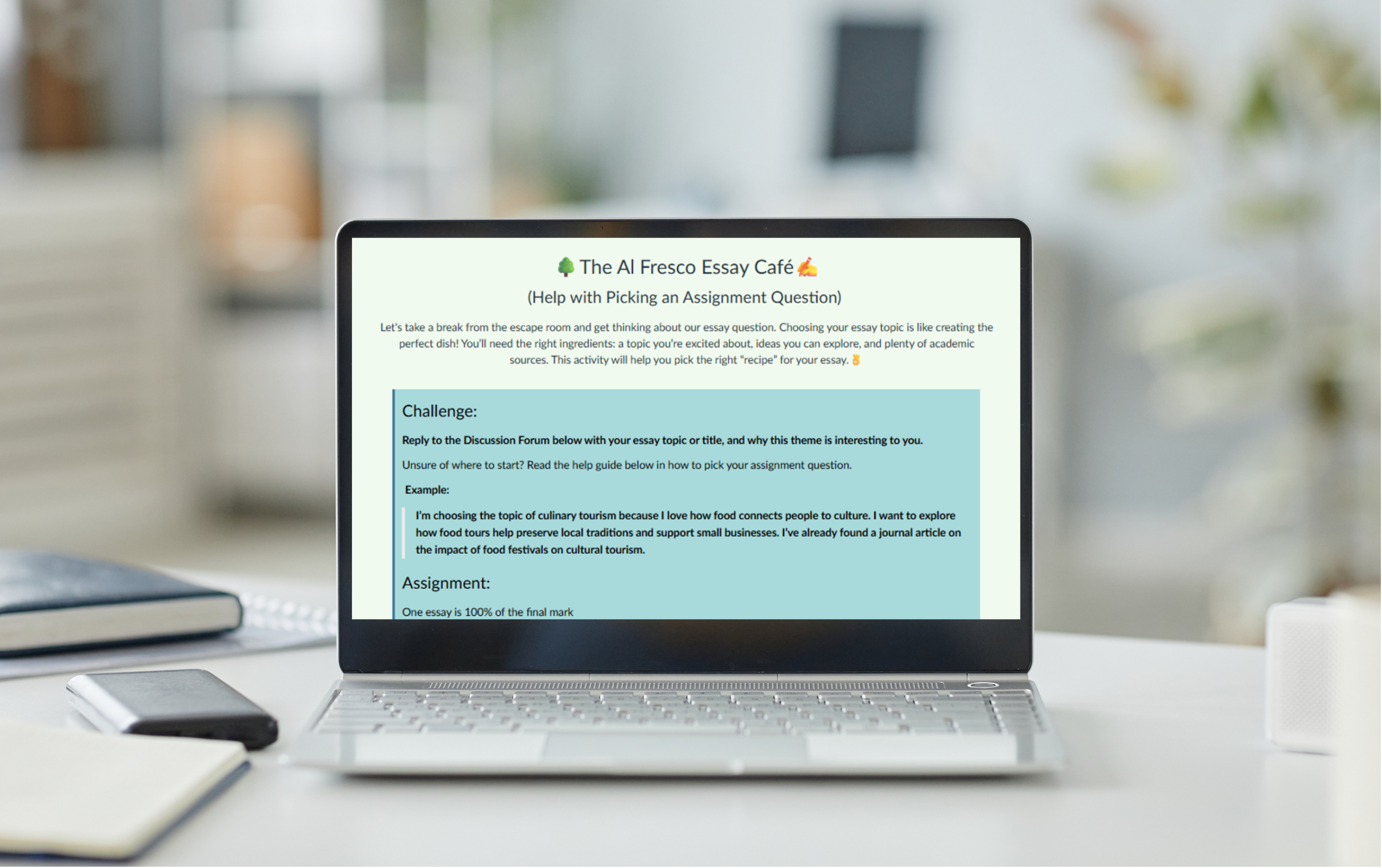
I redesigned the blended-learning module as a gamified learning pathway within Canvas, structuring content as a series of locked ‘rooms’ that learners progressed through by completing specific learning actions.
Rather than rewarding completion alone, progression was tied to desirable learning behaviours, including:
Active searching for academic articles and journals: evidence shown in participation on embedded discussion boards.
Collaboration with peers: evidence shown through commenting on each other’s Padlet posts.
Seeking constructive feedback early: evidence shown through multiple short draft uploads onto Canvas.
Each page remained locked until the required activity was completed. This made progress visible and purposeful. Carefully designed activities were scaffolded and easily digestible to reduce cognitive overload and to fit around learners’ busy schedules. The language was deliberately made more accessible for the large EAL cohort.
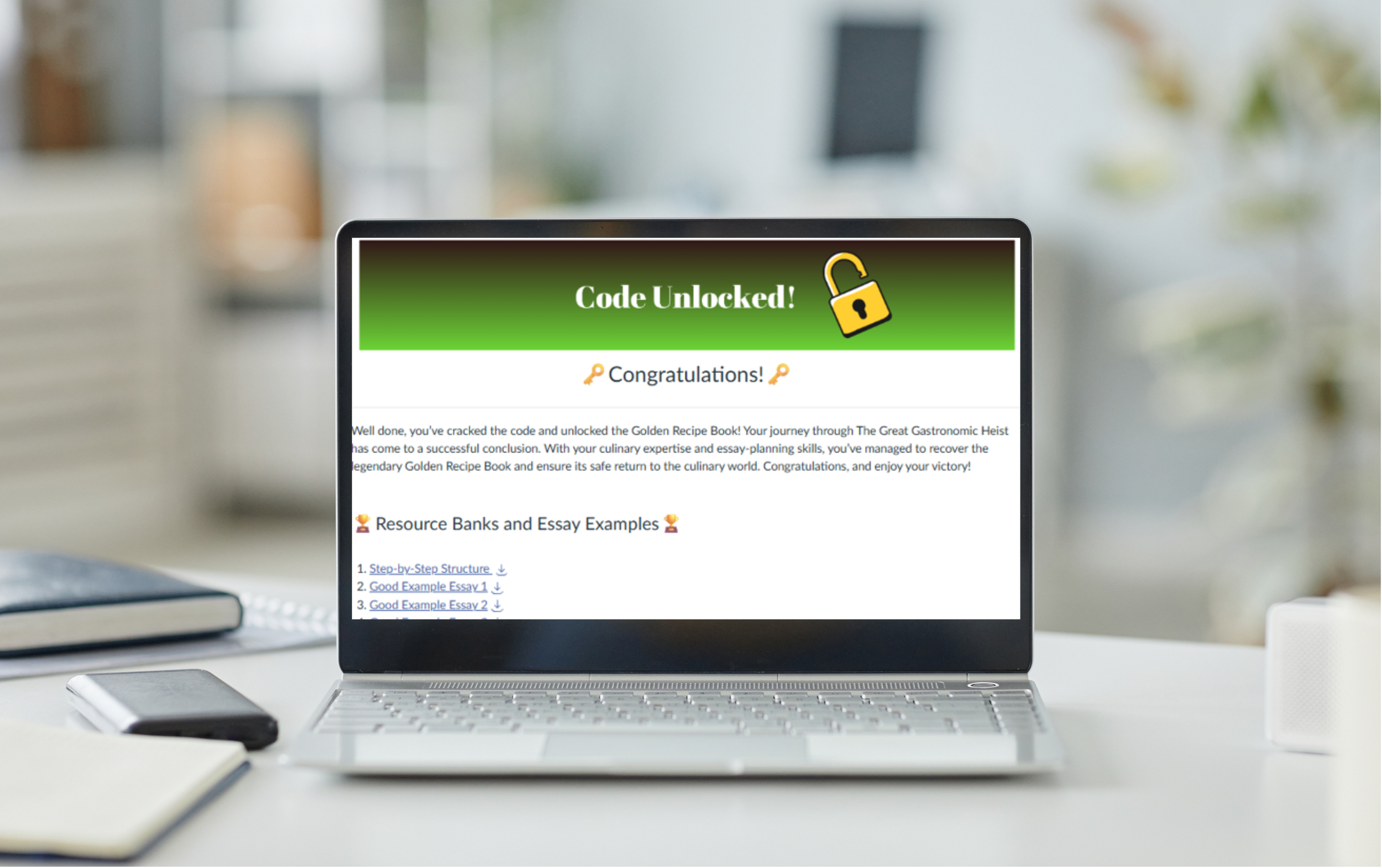
Academic writing skills, including essay structure, referencing and source use, were embedded throughout the pathway rather than taught in isolation. The final stage unlocked additional support resources and optional 1-to-1 tutorials, reinforcing help-seeking as a positive behaviour rather than a last resort.

Iteration & Refinement
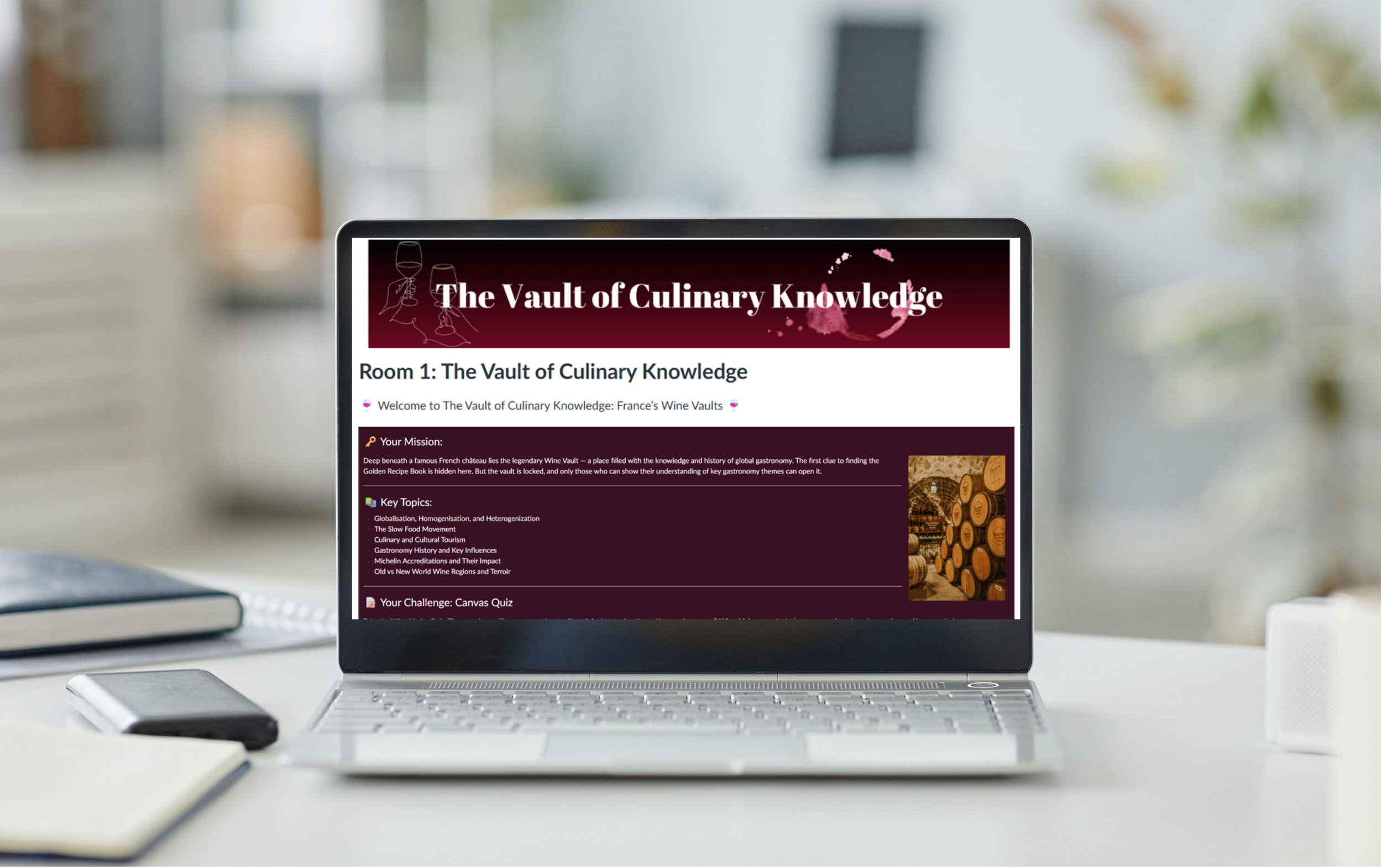
Early feedback highlighted the need for clearer navigation and more accessible language, particularly for asynchronous learners and those with English as an Additional Language. Following evaluation, I refined page layouts, simplified instructions and adjusted the pacing of the pathway to reduce cognitive load while maintaining learner motivation.
The approach has since been retained within the module, adopted by additional staff, and extended through the creation of reusable Canvas templates to support wider use of gamified and active learning approaches.
Before
After
Outcome
The gamified redesign led to clear improvements in engagement, participation and assignment completion, meeting or exceeding the majority of the project’s success criteria.
Qualitative feedback and observation indicated increased confidence in essay planning, referencing and use of academic sources, particularly among international and part-time learners.
Quantitive Data:
Engagement:
87% of students rated the first workshop as very engaging, with 83% rating the second workshop as engaging or very engaging.Participation and attendance:
Canvas analytics showed a significant increase in page views and active participation during the weeks the gamified pathway was implemented, compared with previous cohorts.Assignment completion:
92% of students submitted their assignments by the deadline.Learning relevance:
78% of students found the additional resources unlocked at later stages of the pathway useful in structuring and completing their work.